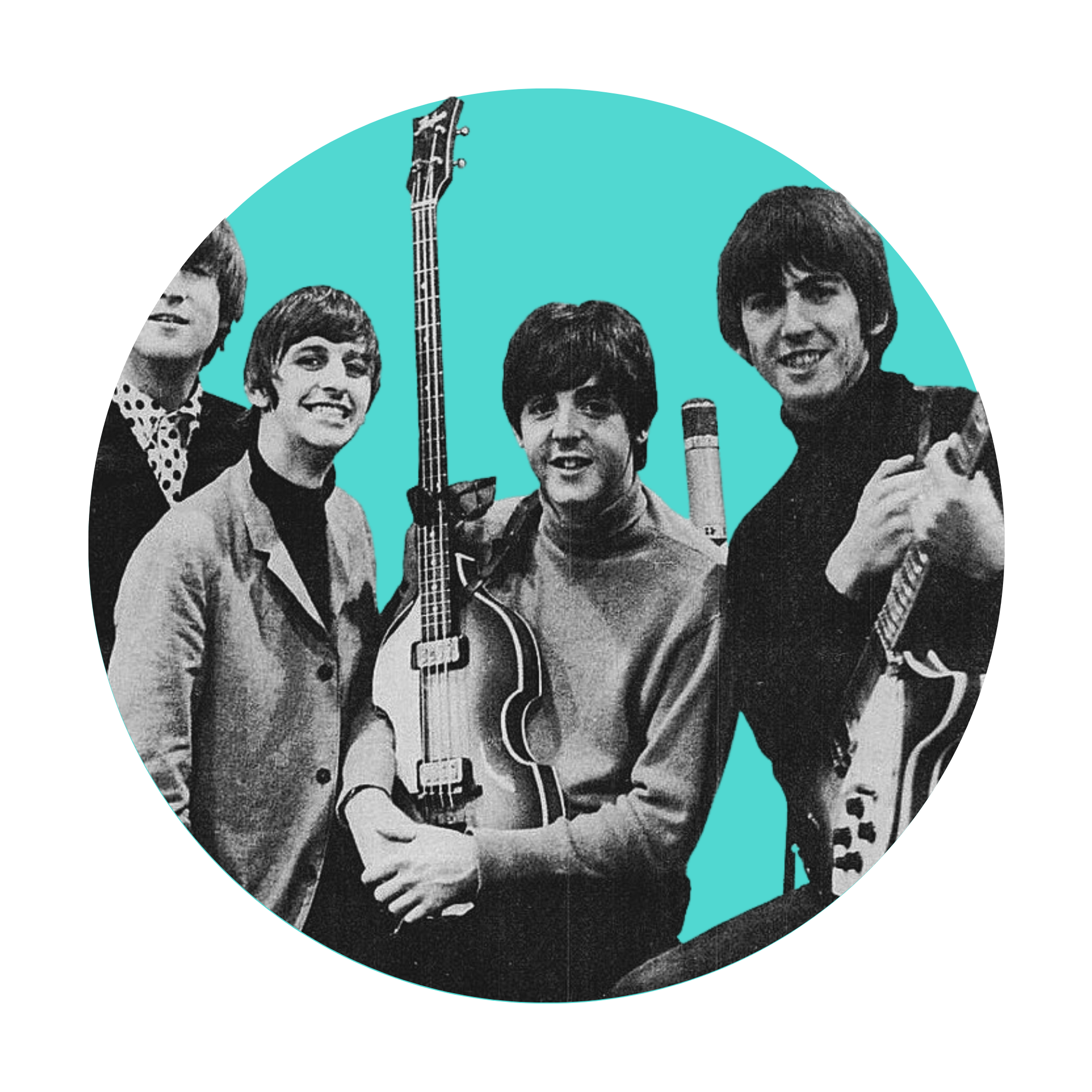
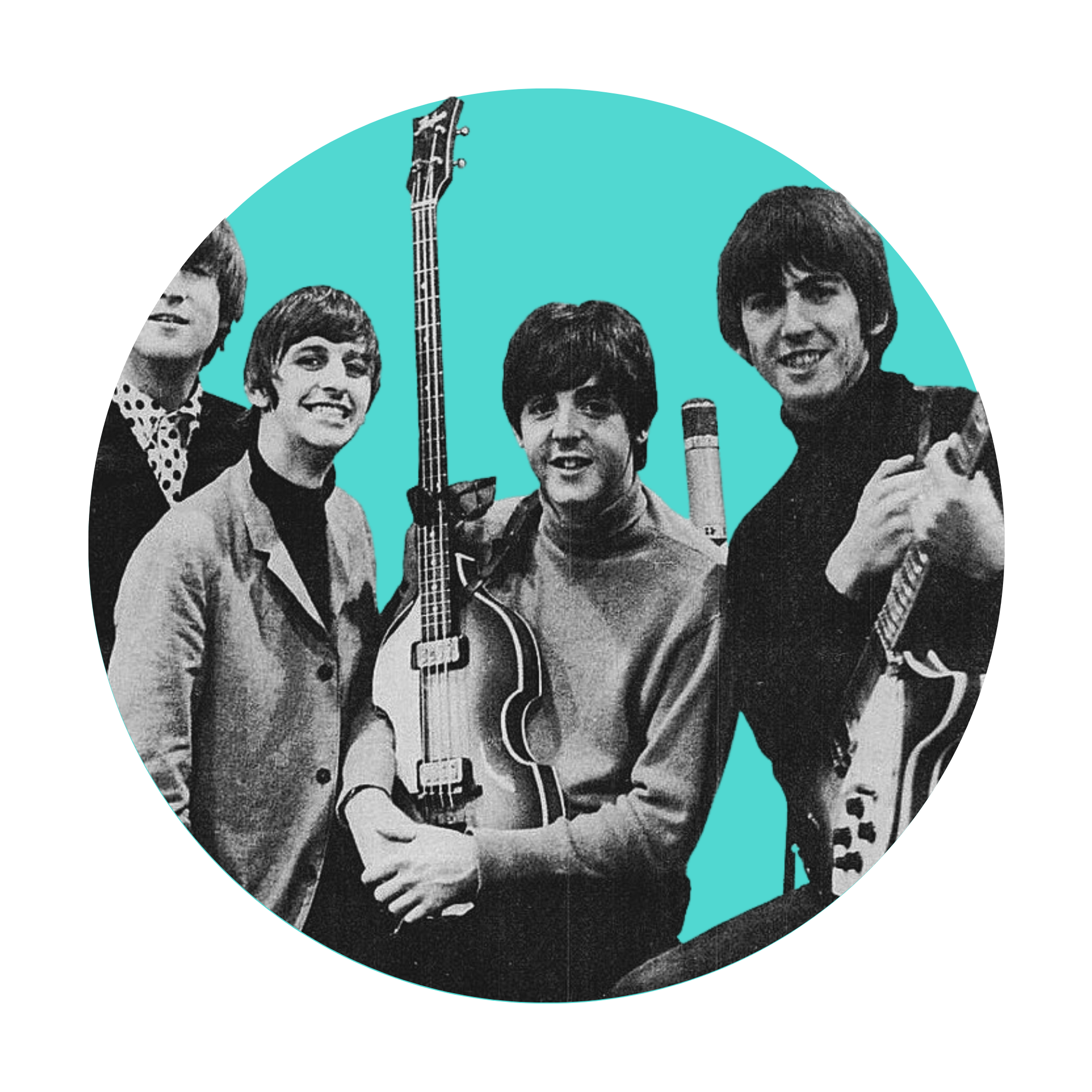
 The Beatles began as four working‑class kids from Liverpool who loved skiffle, American rock ’n’ roll, and the idea that music might be a way out—and, without meaning to, they ended up writing the soundtrack to childhood for several generations. Their songs were catchy enough for playground sing‑alongs, but layered with stories, characters, and big ideas that later slid perfectly into picture books and middle‑grade novels.
John Lennon, Paul McCartney, George Harrison, and Ringo Starr formed the band in the late 1950s and early 1960s, playing grimy clubs in Liverpool and Hamburg before “Beatlemania” exploded worldwide in 1964. For many Boomer kids, this was the moment music stopped being something their parents put on and became something they claimed as their own; they traded in cowboy games and board toys for pretending to be Beatles with tennis-racket guitars and trash‑can drums. That intense, imaginative play—built around music—foreshadowed how naturally their songs would one day move onto the page.
As the band evolved from straightforward love songs to more experimental, story‑rich tracks, they created a universe that looked a lot like children’s literature: colorful, whimsical, sometimes surreal, sometimes deeply comforting. Songs like “Penny Lane” and “Lucy in the Sky with Diamonds” sketch vivid, almost picture‑book scenes, which teachers and parents quickly noticed could be used as story starters in classrooms and at bedtime. Even when the band never intended a “kids’ audience,” their instinct for character and setting meant generations of writers could borrow that sensibility.
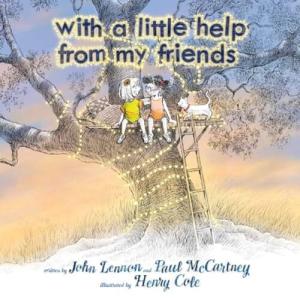
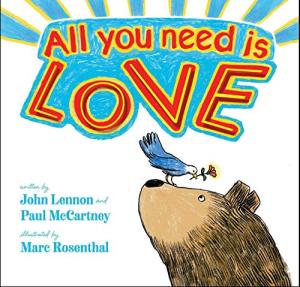
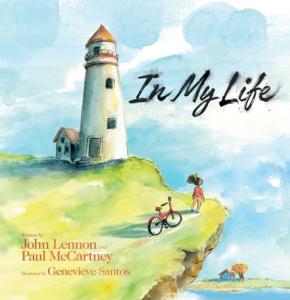
Eventually, the cross‑pollination became explicit. Beatles lyrics started being adapted directly into children’s books, with illustrators building narratives around the songs line by line. One standout is a picture book built around “All You Need Is Love,” where Henry Cole’s illustrations turn the familiar refrain into the story of two girls whose friendship survives a big move, giving young readers a concrete emotional journey to match the song’s abstract message. The book invites kids (and nostalgic parents) to sing as they read, blurring the line between storytime and family concert.
John Lennon’s “Imagine” has been re‑imagined as a picture book following a peace‑loving pigeon who flies around the world spreading a message of kindness. The text is essentially the song’s lyrics, but the visual narrative makes the big, global ideas of peace and unity digestible for preschoolers, turning a 1971 anthem into a gentle, repeatable parable about empathy. Many parents who might hesitate to “explain” the song’s history find that the bird’s journey does the heavy lifting for them.