Early Life And Family
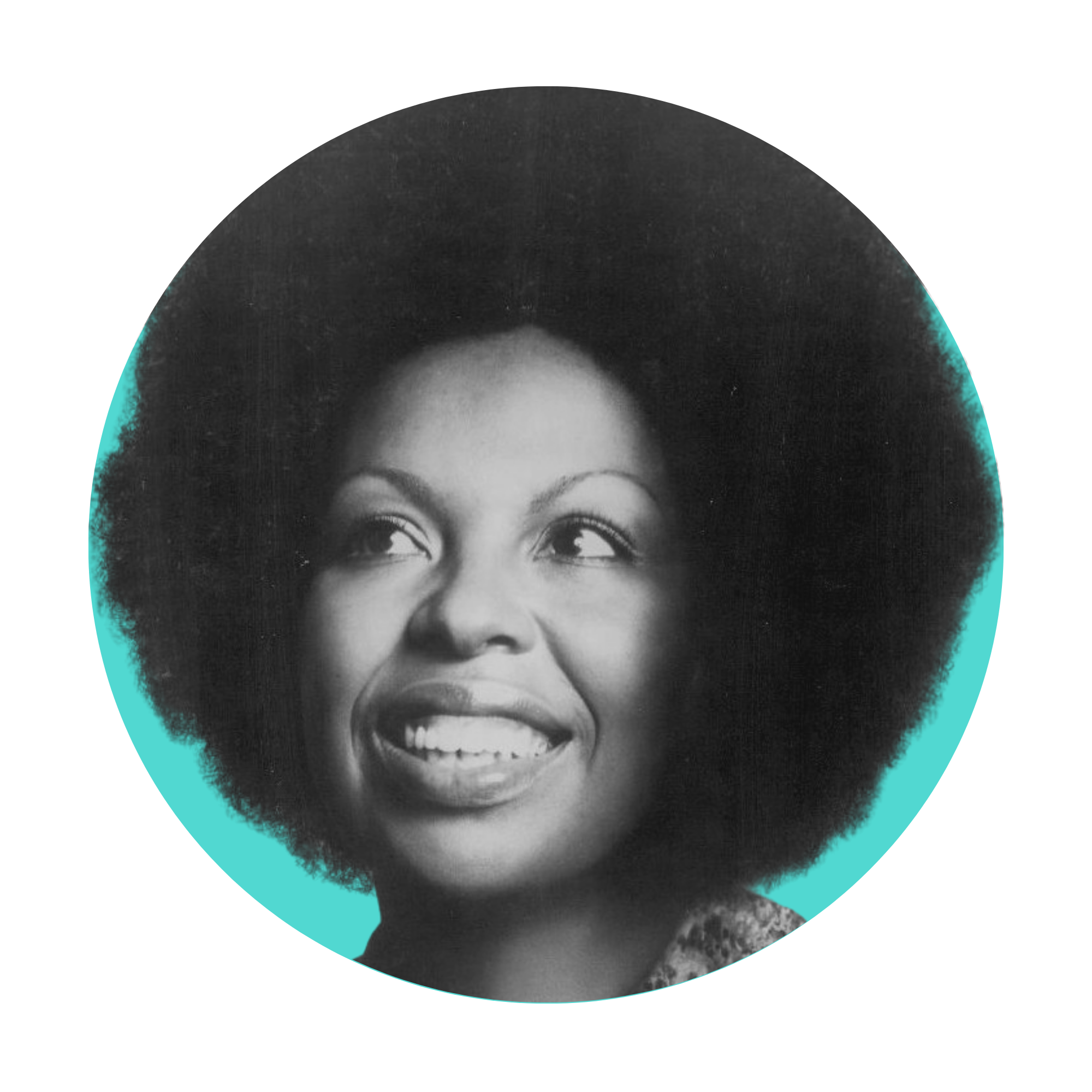
Born on February 10, 1937, in Black Mountain, North Carolina, Roberta Flack grew up surrounded by music. Her family wasn’t wealthy, but they valued education and the arts. Roberta’s mother played the organ in church, and her father sang. The family later moved to Arlington, Virginia, where Roberta’s musical gifts began to shine.
From a young age, Roberta showed talent for piano. She started playing in church at age nine and soon became the church’s main pianist. By her teens, she was performing classical pieces that amazed listeners. Her teachers quickly noticed her talent and helped her win a scholarship to Howard University at only 15 years old—a sign of her extraordinary ability.
The Path To Stardom
At Howard, Roberta studied classical piano but also explored other genres, from jazz to folk. After graduating, she became a music teacher in Washington, D. C. , but performed in local clubs at night. In these small venues, she built her unique style—mixing soul, jazz, classical, and pop.
Her breakthrough came when jazz musician Les McCann heard her perform and recommended her to Atlantic Records. In 1969, she released her first album, “First Take.” The album didn’t sell much at first, but everything changed when one song, “The First Time Ever I Saw Your Face,” was featured in the movie “Play Misty for Me.” The song reached No. 1 on the charts in 1972 and won the Grammy Award for Record of the Year.
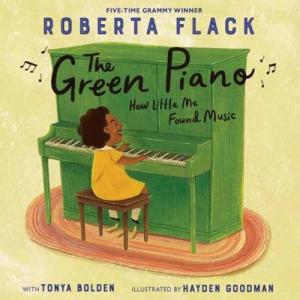
The Green Piano: How Little Me Found Music
In 2022, Roberta Flack co-authored a special children’s book called The Green Piano: How Little Me Found Music. This project shows a different side of her talent and gives children a look at her early life.
The book tells the story of young Roberta and the old, green piano her father found for her. Even though the piano was out of tune and scratched, it became Roberta’s treasure. She practiced for hours, learning that passion and hard work matter more than having fancy things.
Here are some key points about the book:
-
Inspiration: It’s based on Roberta’s own childhood memories.
-
Message: Every child can make music, no matter where they start.
-
Illustrations: The artwork is warm and inviting, helping young readers connect with the story.
-
Impact: Many teachers and parents use the book to encourage children to follow their dreams, even if the road is tough.
The Green Piano is more than just a story—it’s a lesson in never giving up. Roberta wrote it to show kids that their dreams are possible, even if they start small.
Legacy And Influence
Roberta Flack’s influence on music is deep and lasting. She opened doors for many artists, especially women in soul and R&B. Her approach to music—blending different styles and focusing on storytelling—has inspired stars like Lauryn Hill, Alicia Keys, and John Legend.
She was also one of the first Black women to win the Grammy for Record of the Year two years in a row. This was a huge achievement, showing that her talent could cross boundaries and touch everyone.
Here’s a look at how Roberta compares with other soul legends:
|
Artist
|
Signature Song
|
Grammy Awards
|
Years Active
|
|
Roberta Flack
|
Killing Me Softly
|
4
|
1968–present
|
|
Aretha Franklin
|
Respect
|
18
|
1956–2017
|
|
Donny Hathaway
|
A Song for You
|
1
|
1969–1979
|
What many people don’t realize is that Roberta also used her fame to help others. She started the Roberta Flack School of Music in New York, offering free lessons to young musicians. She believes that music can change lives, just as it changed hers.
Challenges And Later Life
Roberta faced many challenges, both personal and professional. She struggled with stage fright early in her career. Her partnership with Donny Hathaway ended suddenly when he died in 1979. Despite these hardships, Roberta kept making music and touring for decades.
In recent years, Roberta has suffered health issues, including a stroke in 2016 that made it hard for her to perform. Still, she stays active by writing, mentoring, and supporting music education.
 Roberta Flack: The Voice That Changed Soul Music