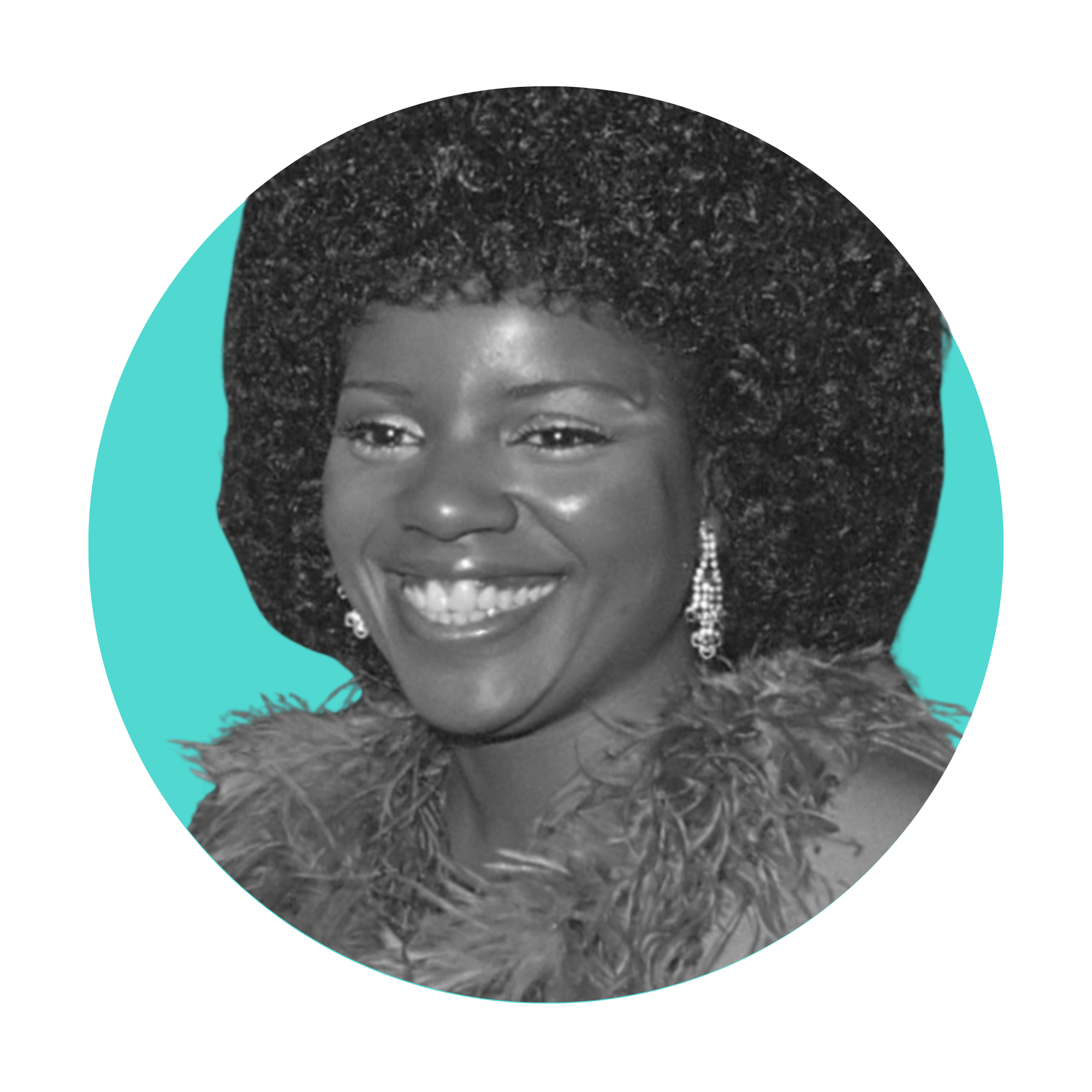
Gloria Gaynor, born Gloria Fowles on September 7, 1943, in Newark, New Jersey, is an American singer whose rich, powerful voice and indomitable spirit helped define the sound and the emotional core of the disco era. Growing up in a working‑class family with limited means but a deep love of music, she was surrounded by gospel, R&B, and pop records, and discovered early that singing was both her talent and her escape. After high school, rather than stepping straight into fame, she spent years performing in clubs and lounges, touring with bands and honing her craft on small stages where she learned how to command an audience, adapt to different styles, and survive the ups and downs of life as a working musician.
In the 1960s, Gaynor sang with a jazz and R&B group called The Soul Satisfiers and began recording under the name Gloria Gaynor, releasing early singles that gave her a foothold in the industry even if they did not yet bring her major commercial success. Her breakthrough came in the mid‑1970s with the rise of disco, particularly through her 1975 album Never Can Say Goodbye, whose continuous dance‑medley format on the first side was innovative for the time and became a favorite in nightclubs. Her reinterpretation of the Jackson 5’s “Never Can Say Goodbye” climbed the charts and made her one of the first artists closely identified with the new disco sound, earning her the informal title “Queen of the Discos” among DJs and clubgoers.
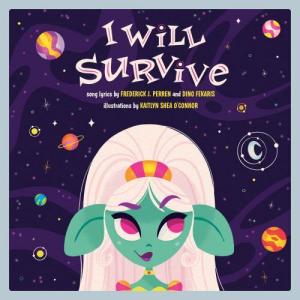
Gaynor reached global fame with the 1978 release of “I Will Survive,” initially issued as a B‑side but quickly elevated by DJs and listeners who felt its power. Sung from the perspective of someone emerging stronger from heartbreak, the song captured a universal story of loss, recovery, and self‑respect, and its driving beat made it irresistible on the dance floor. Behind the lyrics, Gaynor brought her own history of hardship—including childhood struggles and a serious spinal injury before the recording session—to the performance, giving it a depth that listeners instinctively recognized. “I Will Survive” topped charts around the world, won a Grammy for Best Disco Recording, and evolved into a lasting anthem embraced by women, the LGBTQ community, and anyone facing personal trials.
When the disco backlash hit in the early 1980s, Gaynor, like many of her peers, saw radio support in the United States decline, but she refused to be reduced to a relic of a passing trend. She experienced a religious reawakening, embraced her Christian faith, and continued to record and tour, shifting into more R&B‑ and pop‑oriented material and finding loyal audiences internationally. In the mid‑1980s, her recording of “I Am What I Am” from La Cage aux Folles became another powerful statement of self‑acceptance and further solidified her status as a gay icon and voice of empowerment.
Over the ensuing decades, Gaynor has remained an active performer, releasing new music, appearing on television and in documentaries, and receiving honors that recognize both her artistic achievements and her cultural impact. More than any chart statistic, her legacy rests on the way her signature songs give people language for their own resilience. Today, Gloria Gaynor stands not only as one of disco’s great voices but as a living symbol of survival, proving that a three‑minute pop record can become a lifelong manifesto of courage and self‑worth.